Nowadays it’s basically impossible, for a developer, to not have heard about coding with AI. Most people are familiar with ChatGPT from OpenAI, but there are many other tools out there, like Gemini and Claude, which many developers currently consider one of the best AI coding assistants available.
That’s exactly what pushed me to experiment with building a complete AI voice platform: DouzeLabs.
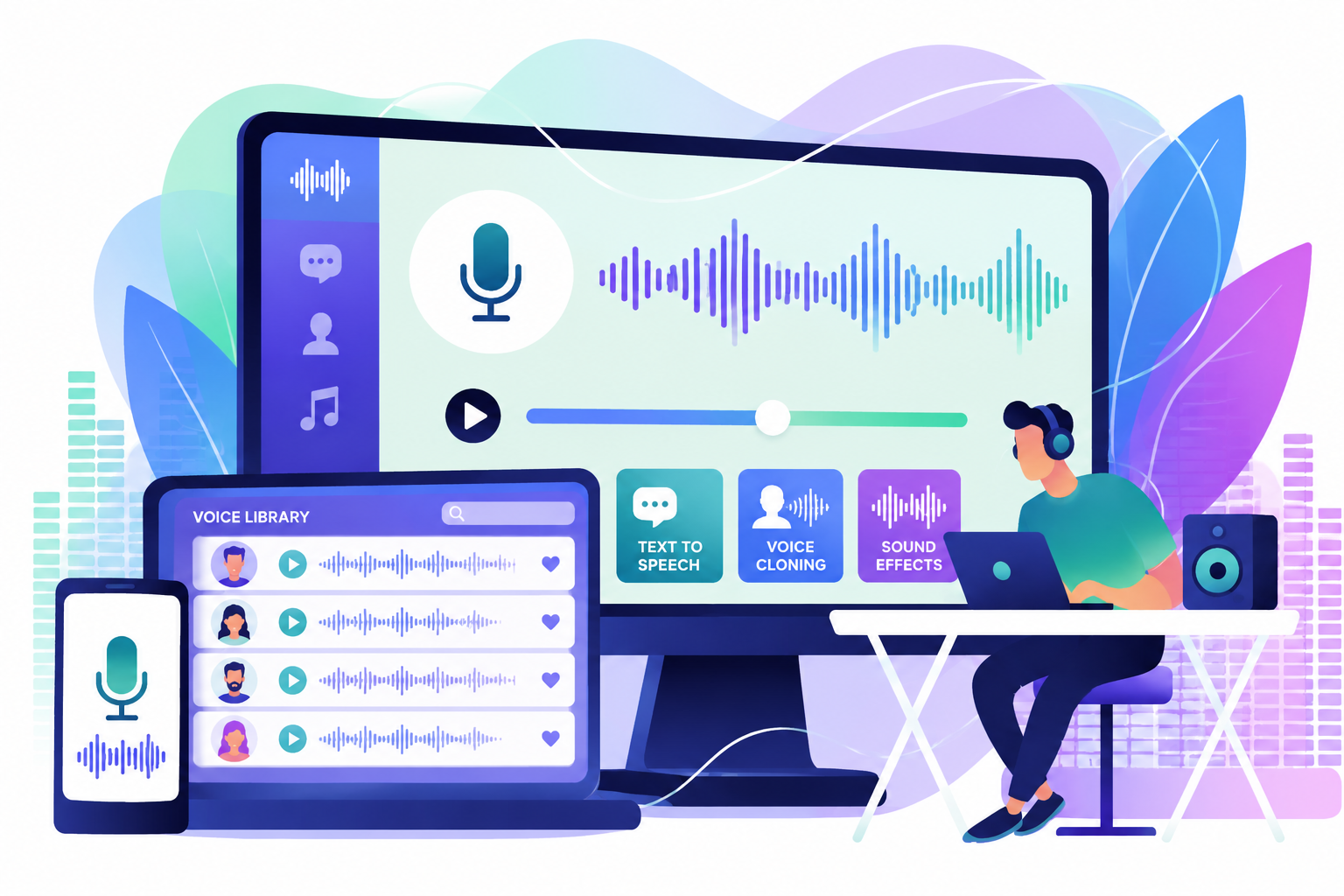
The goal behind the project was to create an experience that felt powerful but also extremely accessible. Instead of dealing with complicated AI workflows, users can simply type what they want, choose a voice, and instantly preview the generated result through an integrated audio player.
Challenges of Building an AI Audio Platform
One of the most interesting parts of the platform is voice cloning. Users can upload a short audio sample and train custom voices directly inside the app. Alongside that, DouzeLabs also includes a curated library of built-in voices, making it easy to test different styles, tones, and accents without needing to train a model from scratch.
Another feature I wanted to include from the beginning was AI-generated sound effects. Instead of only focusing on speech synthesis, the platform can also generate environmental sounds, cinematic effects, and audio assets from prompts, making it useful not only for developers but also for creators, content producers, and designers.
DouzeLabs is already structured as a fully usable SaaS product, complete with authentication, subscriptions, usage limits, and generation workflows. Considering how many companies are currently building products in this exact space, it’s honestly incredible how accessible this kind of development has become for smaller teams and independent developers.